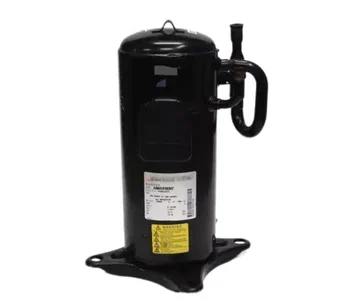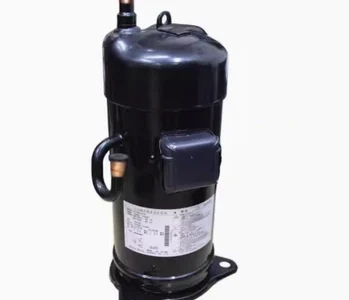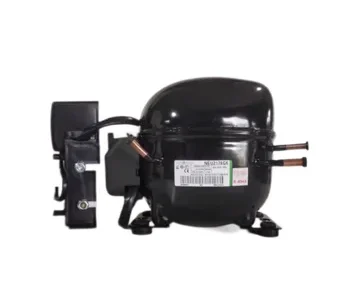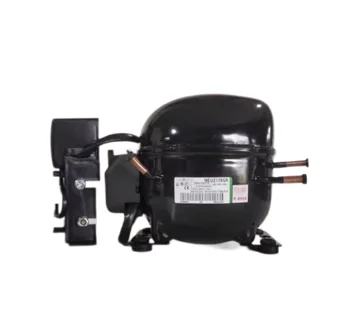
The NEU2178GK is an Embraco hermetic reciprocating compressor for R404A low-back-pressure refrigeration. It is commonly selected for commercial freezers, frozen-food cabinets, ice-making equipment and other low-temperature systems. Published model data identifies it as a 1 HP class compressor with a 220–240 V, 50 Hz single-phase version.
The established application is R404A LBP duty, and buyers should verify the engineering code and electrical data on the original nameplate before ordering. Use the manufacturer data and original equipment specification rather than relying on abbreviated marketplace descriptions.
NEU2178GK key data
| Item | Published model data |
|---|---|
| Model | NEU2178GK |
| Brand | Embraco |
| Construction | Hermetic reciprocating, on/off |
| Refrigerant | R404A |
| Application | LBP, low-temperature refrigeration |
| Nominal power class | 1 HP |
| Power supply | 220–240 V, 50 Hz, single phase (verify engineering code) |
| Motor type | CSCR |
| Starting torque | HST |
| Displacement | Approximately 16.8 cm³ in published data |
| Evaporating range | Approximately −40°C to −10°C in published data |
Performance figures always depend on evaporating temperature, condensing temperature, return-gas condition and the test standard. A single capacity number copied from a marketplace page is not enough to size a refrigeration system. For a replacement, use the original equipment specification or request the full performance data for the exact engineering code.
What LBP means in real applications
LBP stands for low back pressure. In practical terms, the compressor is designed to work with the low evaporating temperatures required for frozen storage. Typical applications include upright freezers, chest freezers, frozen-food display cabinets, small cold rooms, ice machines and commercial kitchen equipment.
This does not make the NEU2178GK a universal replacement for every 1 HP compressor. Two units with the same nominal horsepower can have different displacement, cooling capacity, motor torque, envelope limits and connection sizes. Matching by horsepower alone is one of the quickest ways to create poor pull-down performance or an overloaded motor.
How to confirm a correct replacement
Check the refrigerant first
The system should be designed for R404A or have documented manufacturer approval for the proposed refrigerant and compressor combination. Do not fit this compressor to an R134a, R290 or R600a appliance simply because the shell dimensions are similar.
Match voltage and frequency
NEU2178GK variants and engineering codes can be associated with different regional electrical supplies. Confirm voltage, frequency and phase from the label. A 50 Hz and a 60 Hz version should not be treated as identical.
Compare the operating envelope
Check the required evaporating and condensing conditions against approved model data. Low-temperature duty can expose a compressor to high compression ratios and discharge temperatures, particularly when the condenser is dirty or airflow is restricted.
Check starting components
CSCR motors use start and run capacitors with the correct relay arrangement. Use the specified electrical components rather than reusing an unknown relay or capacitor from the failed unit.
Confirm mechanical fit
Compare mounting centres, suction and discharge tube sizes, tube orientation, overall height and terminal arrangement. These details affect installation time and service access.
Why the previous compressor failed
A seized or electrically damaged compressor is often the last visible symptom of another problem. Before fitting the replacement, inspect condenser cleanliness and fan operation, refrigerant charge, evaporator airflow, superheat, oil return and the condition of the contactor or starting device.
After a motor burnout, test for acid and contamination. Follow an appropriate cleanup procedure and replace the filter-drier. If residue remains in the circuit, the replacement compressor may fail long before its expected service life.
Recommended installation practice
Recover the existing refrigerant and keep the open system protected from moisture. Replace the filter-drier whenever the sealed circuit is opened. Braze with a small nitrogen flow, pressure-test with dry nitrogen and evacuate with a micron gauge rather than relying only on manifold vacuum.
Charge R404A in accordance with the equipment manufacturer’s procedure and verify operation under stable load. Record suction pressure, discharge pressure, superheat, return-gas temperature, running current and cabinet pull-down time. A healthy compressor cannot compensate for a blocked capillary tube, poor airflow or an incorrect charge.
What to send for a quotation
Please include:
- a readable compressor nameplate photo;
- the equipment make and model;
- refrigerant and required temperature range;
- voltage and frequency;
- required quantity and destination;
- connection or mounting photos if interchangeability is required.
These details let the supplier confirm the correct NEU2178GK version instead of quoting from the model name alone.
Request a NEU2178GK quotation
Check current availability through the NEU2178GK product page and submit the nameplate through the RT Compressor enquiry form. We support one-off service replacements, distributor orders and consolidated export shipments.
Frequently asked questions
Which refrigerant does the NEU2178GK use? NEU2178GK is established as an R404A LBP compressor. Confirm the original equipment label before replacement.
Is it intended for domestic refrigerators? Its 1 HP LBP profile is more typical of commercial low-temperature equipment than a small household refrigerator.
Can I replace another 1 HP compressor with it? Not from horsepower alone. Refrigerant, capacity at design conditions, voltage, motor system, operating envelope and mechanical fit must all be checked.
Why do I need the engineering code? The code helps distinguish regional electrical and production variants that may share the same base model name.
—