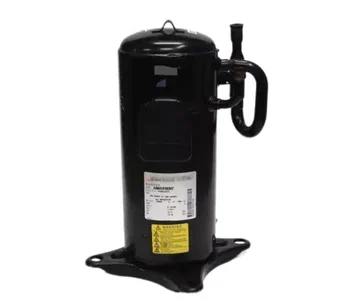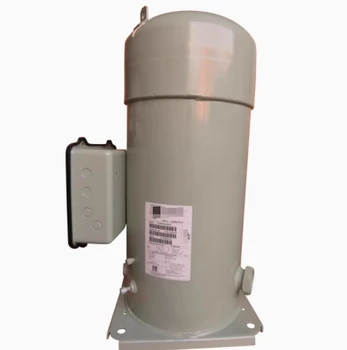
CSHN315D0BKM — CSHN315D0BKM is offered for industrial compressor replacement enquiries. The full equipment record is required because verified public performance data for this exact code is limited.
CSHN315D0BKM quick technical profile
| Model | CSHN315D0BKM |
|---|---|
| Model | CSHN315D0BKM |
| Use | Professional replacement enquiry |
| Selection basis | Nameplate and OEM documentation |
| Commercial mode | B2B quotation; no public price |
Figures in this table are identification and selection references. Cooling capacity, input power and current change with refrigerant, evaporating temperature, condensing temperature, superheat, subcooling and frequency. Use the applicable manufacturer performance data for final design.
Where this compressor fits
The safest application is an exact-code replacement. If a cross-reference is required, compare refrigerant, capacity at the design point, displacement, motor supply, operating envelope, oil and mechanical connections.
For a like-for-like service replacement, compare the full original code rather than the base model alone. Suffixes can identify electrical, oil, connection or production variations that are not interchangeable.
Critical checks before ordering
Avoid broad claims such as heavy-duty, universal replacement or fixed tonnage unless they are supported by the original datasheet. Send photos of every nameplate and connection before quotation.
- Identity: provide a readable compressor nameplate and the complete equipment model.
- Refrigerant: confirm the existing circuit refrigerant and approved oil.
- Electrical: verify voltage, phase, frequency, control method and protection.
- Performance: compare capacity at the real design conditions, not only HP, TR or BTU labels.
- Mechanical fit: check mounting centres, shell height, pipe sizes, orientation and terminals.
Replacement workflow for contractors
Diagnose the original failure before removing the compressor. Check condenser and evaporator airflow, refrigerant charge, oil return, controls, contactors or inverter output, and signs of liquid floodback or overheating. A new compressor will not survive an unresolved system fault.
Recover refrigerant correctly, keep the circuit clean and dry, replace the filter-drier where required, and flow dry nitrogen while brazing. Pressure-test with the approved gas and pressure, evacuate with a calibrated micron gauge, then charge according to the equipment documentation. Commissioning records should include voltage, current, pressures, superheat, subcooling and discharge temperature.
What to send with a quotation request
- compressor and equipment nameplate photographs;
- refrigerant, voltage, phase and frequency;
- required quantity and destination country;
- photos of terminals, pipe connections and mounting feet;
- whether the order is an urgent replacement, project requirement or distributor stock.
This information allows RT Compressor to confirm the product before shipment and reduces wrong-part risk. View the CSHN315D0BKM product page or use the B2B enquiry form.
Frequently asked questions
Is CSHN315D0BKM a universal replacement?
No. Match the full code, refrigerant, electrical design, performance envelope and mechanical connections.
Why is there no public price?
RT Compressor uses B2B quotations because quantity, destination, packaging and technical confirmation affect the offer.
Can I select it by horsepower or tonnage alone?
No. Those labels do not describe capacity across the full operating envelope.
What is the fastest way to confirm availability?
Send the original nameplate, equipment model, quantity and delivery country with the enquiry.