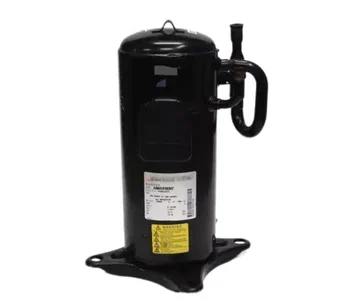
LBP, MBP and HBP are common labels in commercial refrigeration compressor catalogues. They describe application or back-pressure ranges, helping engineers narrow down models for low-, medium- or higher-evaporating-temperature duties. They are useful starting points, not a substitute for checking the exact compressor’s data.
What do LBP, MBP and HBP mean?
- LBP means Low Back Pressure and is generally associated with low evaporating-temperature applications, such as freezers.
- MBP means Medium Back Pressure and is commonly used for medium-temperature refrigeration, such as beverage coolers or fresh-food cases.
- HBP means High Back Pressure and is commonly associated with higher evaporating temperatures, including some coolers and dehumidifiers.
These are application labels used in compressor selection. They do not describe the condensing temperature, and the temperature limits are not universal across all brands and product families. Embraco’s technical explanation gives typical examples of each application class and stresses checking the system’s actual operating conditions (Embraco: LBP, MBP and HBP Applications).
Typical application examples
Freezers and frozen-food equipment often require an LBP compressor because the evaporator operates at a low temperature. Fresh-food cabinets and drink coolers commonly use MBP or combined L/MBP models. Some bottle coolers, water coolers and dehumidifiers use HBP or broader-range models, depending on the equipment design.
These examples are not a model-selection rule. Similar-looking equipment can have different evaporator designs, refrigerants, loads and operating ranges. The equipment manufacturer’s specification and the compressor’s performance table take priority over the application label.
Why the exact operating envelope matters
A compressor outside its approved operating range may fail to start reliably, run too hot, trip its protection or experience shortened service life. The actual outcome depends on the model and system, so verify the manufacturer’s operating envelope before selecting or replacing a compressor.
Also confirm the refrigerant, motor type, oil, voltage, phase and frequency. Compressor models designed for different refrigerants or application ranges can have different internal components and electrical characteristics. Never assume that the same HP or a similar model number guarantees interchangeability.
A simple selection check
- Identify the original compressor model and application class from its nameplate or equipment documentation.
- Record the refrigerant and required evaporating and condensing temperatures.
- Check the exact candidate model’s capacity and operating envelope at those conditions.
- Confirm electrical supply and starting requirements.
- Verify physical connections and system compatibility before installation.
Bottom line
LBP, MBP and HBP help describe a compressor’s intended application range, but they are not universal temperature specifications. Select by the exact model’s manufacturer data, refrigerant and operating conditions—not by the LBP/MBP/HBP label alone.